CREDITS
DESIGN & DIRECTION: Studio Saka: Margaret To
ANIMATION: Delinear Motion: Kari Pieterse
MUSIC & SOUND DESIGN: Tomas Wischerath
PRODUCTION: Graphicacy
STORYBOARDS
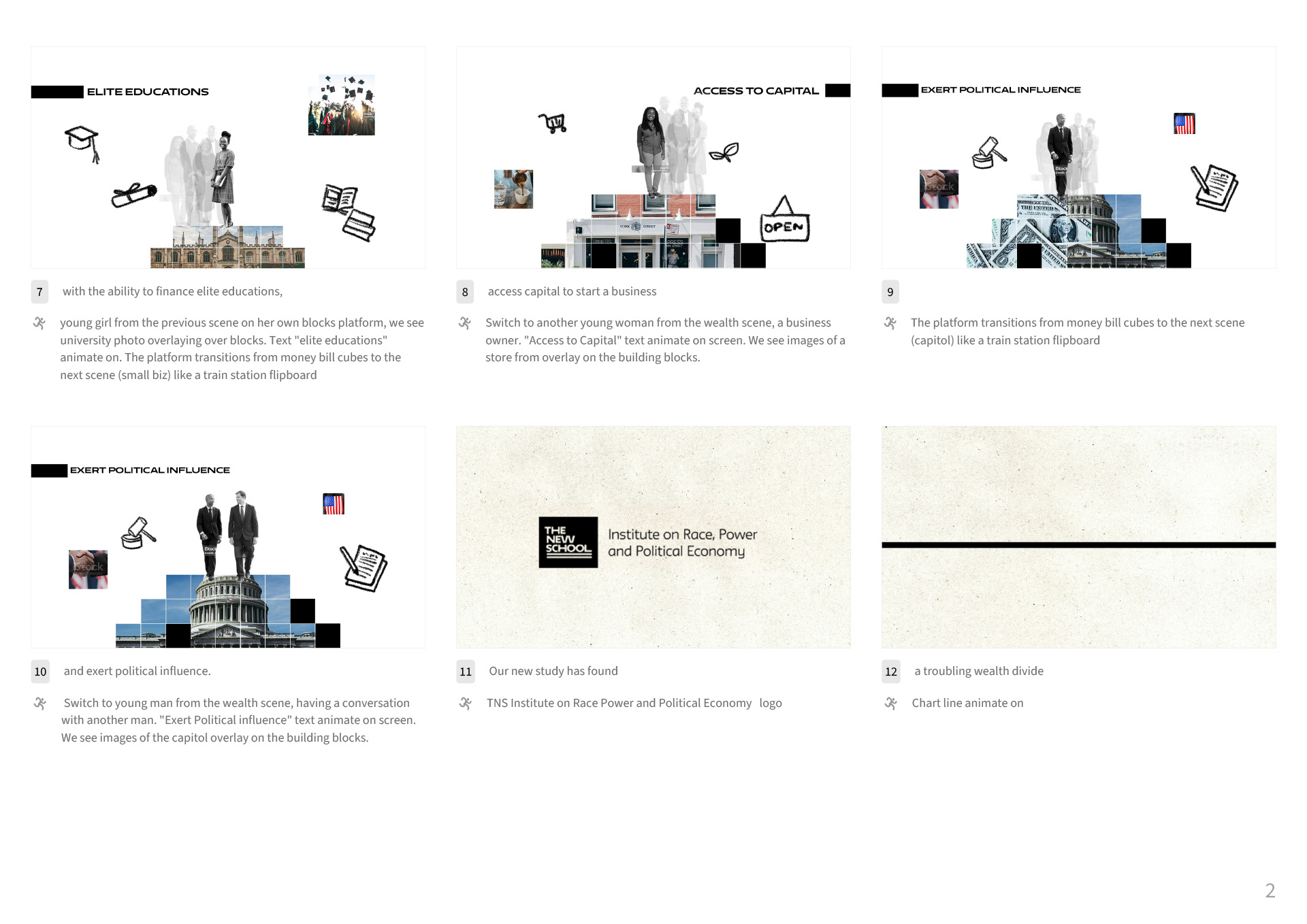
Storyboards are essential for turning a written script into a visual masterpiece. They show how the story will unfold on screen, shot by shot. They help the animation team communicate and understand each other. Everyone can discuss and agree on the animation's vision by providing a shared visual reference. Storyboards also help plan the animation's structure and pacing. They decide how long each shot will be, how scenes will transition, and how the story will flow smoothly.

STYLE FRAMES
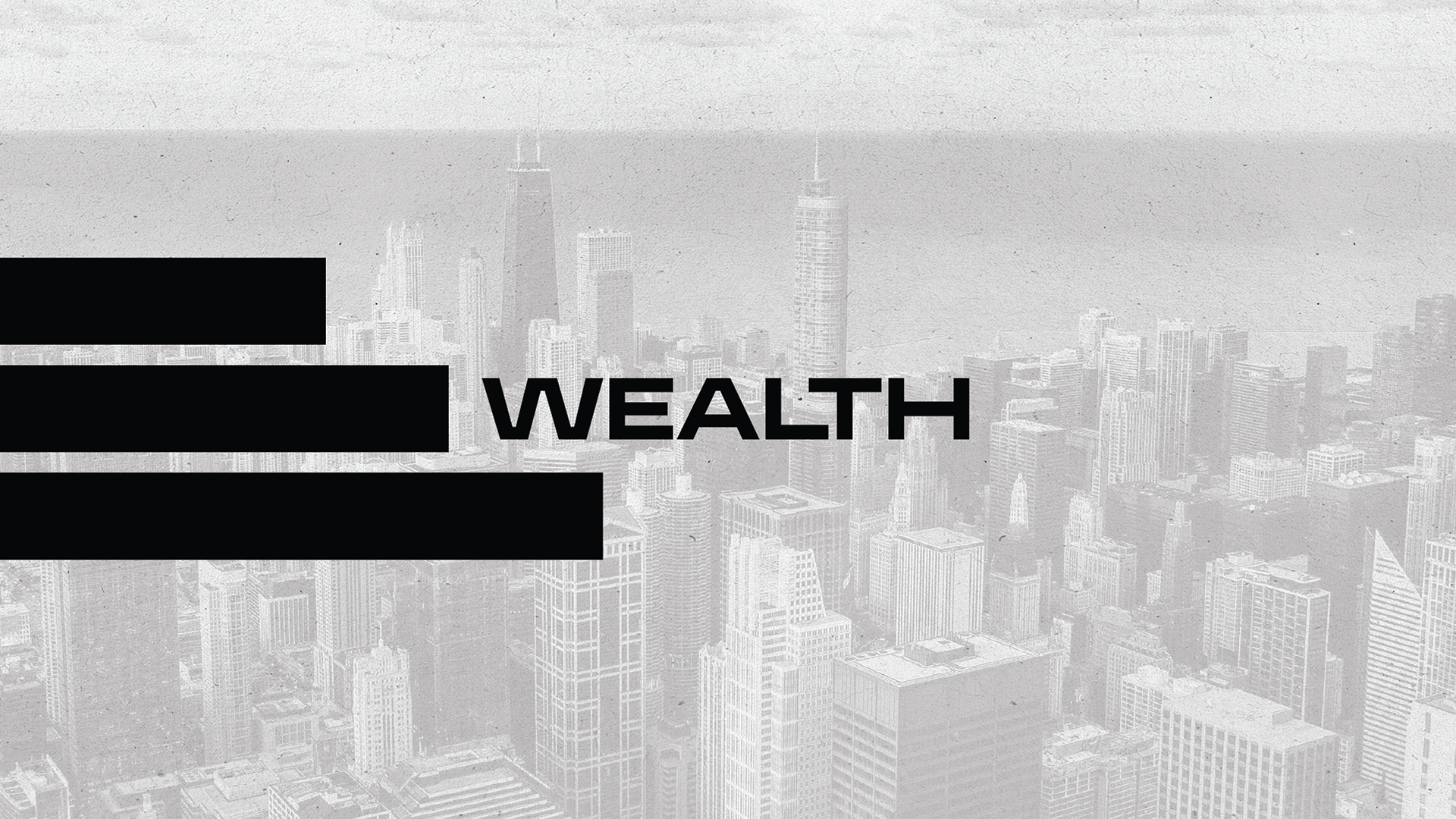
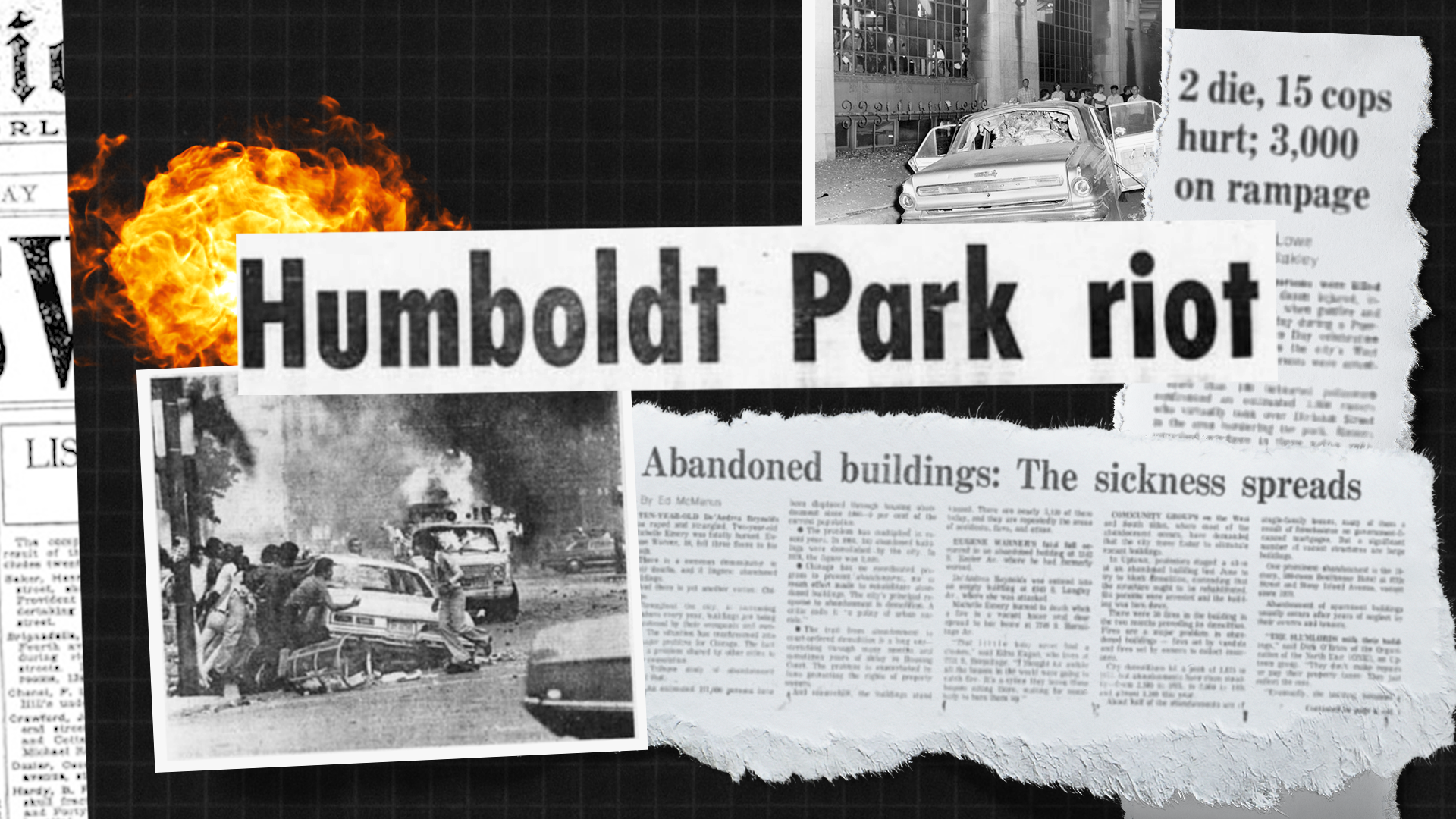
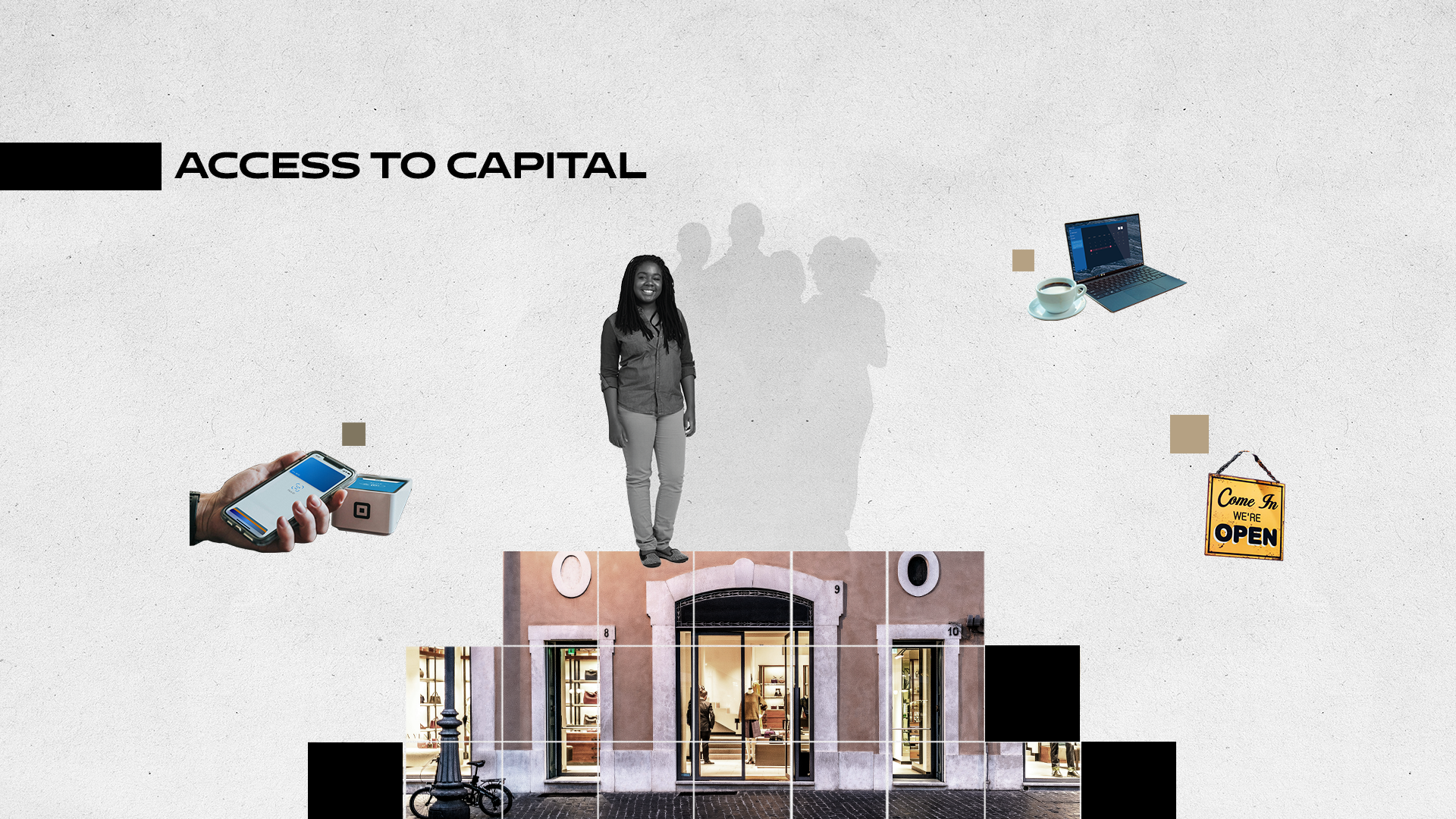
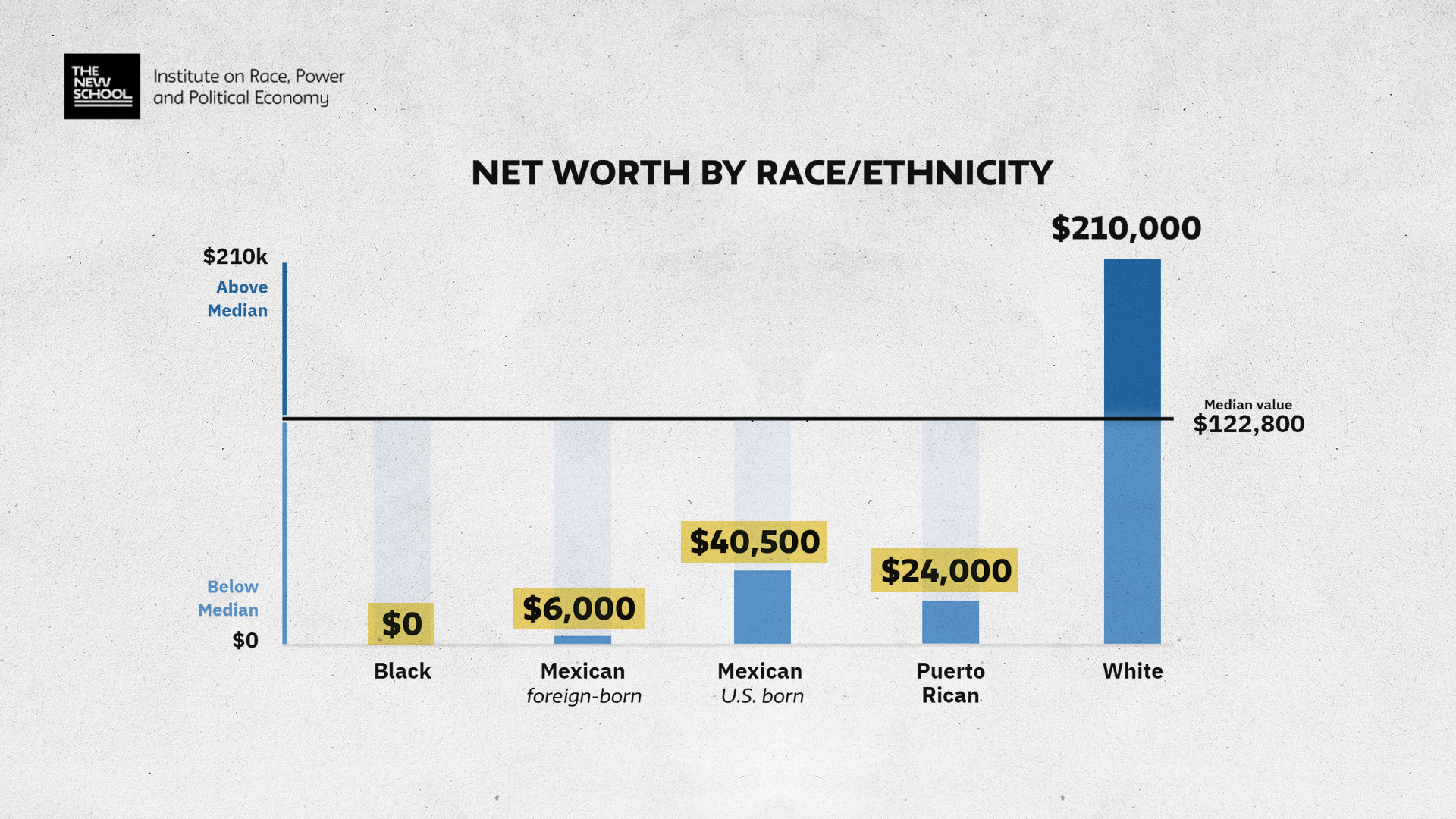
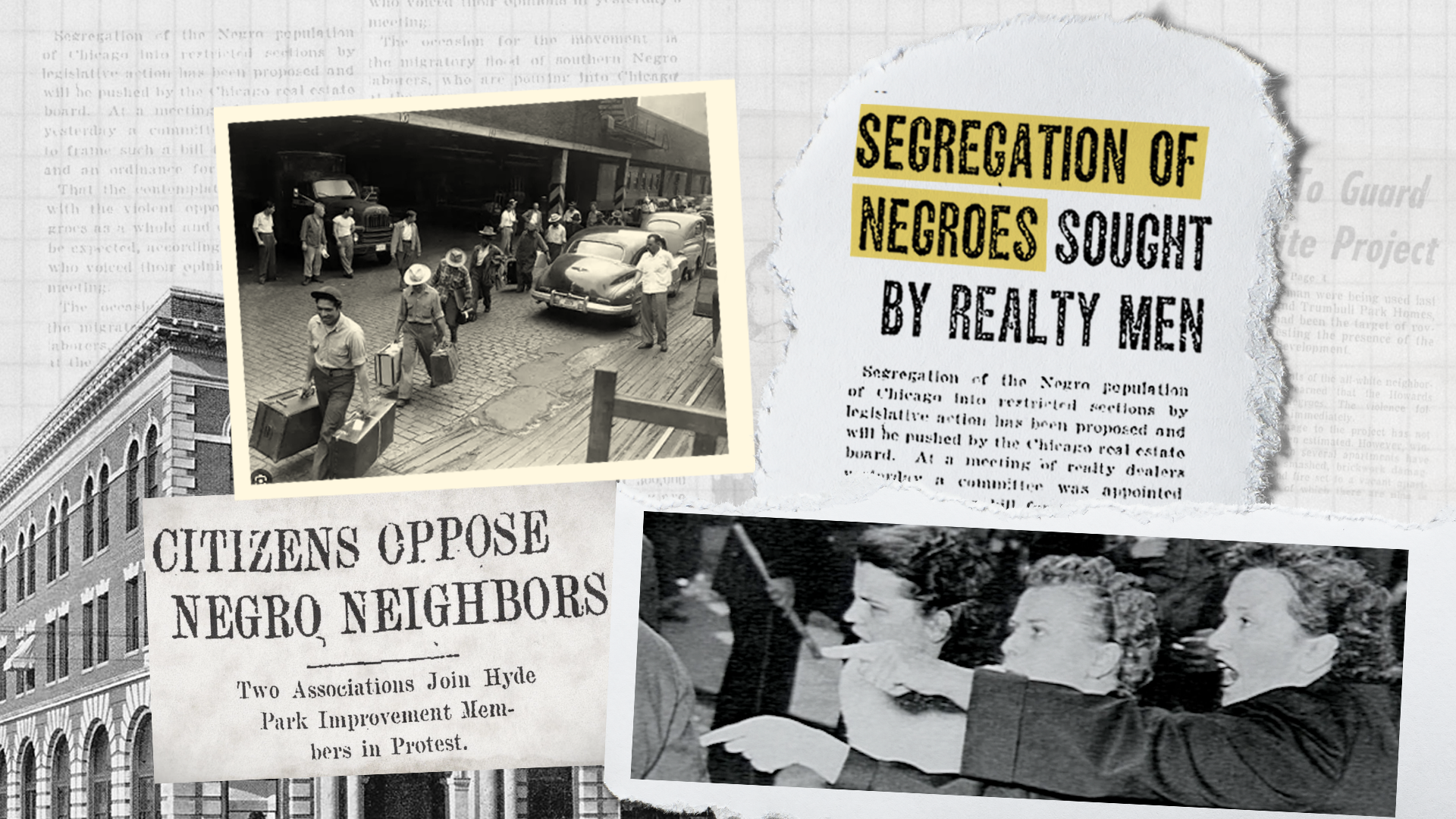
The visual style was designed to put people—not numbers—at the center of the story. Simple characters, hand-drawn textures, and collage elements create an immediate sense of humanity, while familiar materials like paper, photographs, and news clippings ground the data in real lives and real histories. Abstract economic concepts such as wealth, income, and stability are translated into intuitive visual metaphors—stacked blocks, shifting ground, rippling circles—so viewers can feel the difference, not just understand it intellectually. Archival imagery and redlining maps connect personal outcomes to systemic decisions, making clear that inequality is inherited through policy, not personal failure. As the film moves toward solutions, the animation visually repairs fractures and opens the frame, reinforcing hope without minimizing harm. This human-centred approach allowed complex research to resonate emotionally, helping audiences see themselves—and their communities—within the story and imagine a more equitable future.


IMPACT
This video summarizes the 50-page report into clear, impactful visuals. By presenting the Chicago story in under two minutes with this dynamic video. It enhances understanding, inspires action, broadens outreach, and demonstrates the power of visual storytelling to captivate, connect emotionally, and drive engagement.